

Products Description
| Company Information | |||
| [email protected] | |||
| Mobile | +8613950166376 | ||
| +8613950166376 | |||
| 13950166376 |
Technical Specifications
| Parameter | Specification |
|---|---|
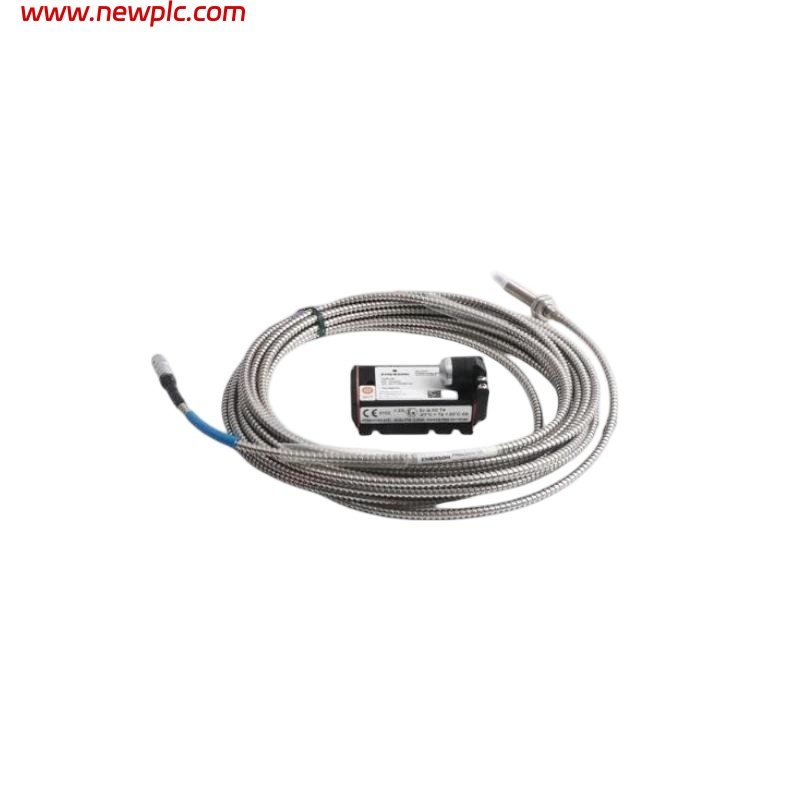
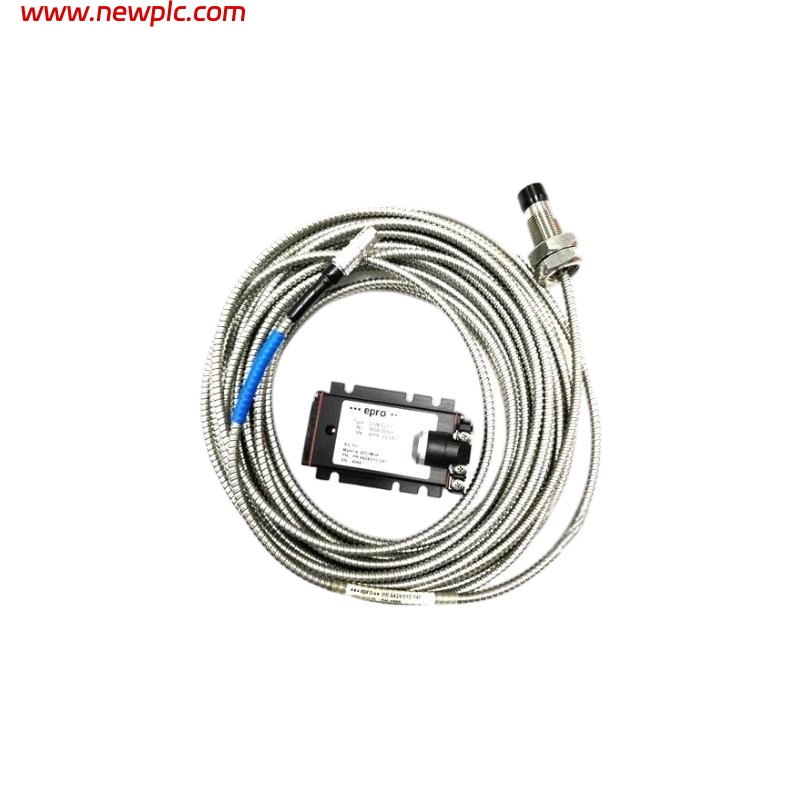
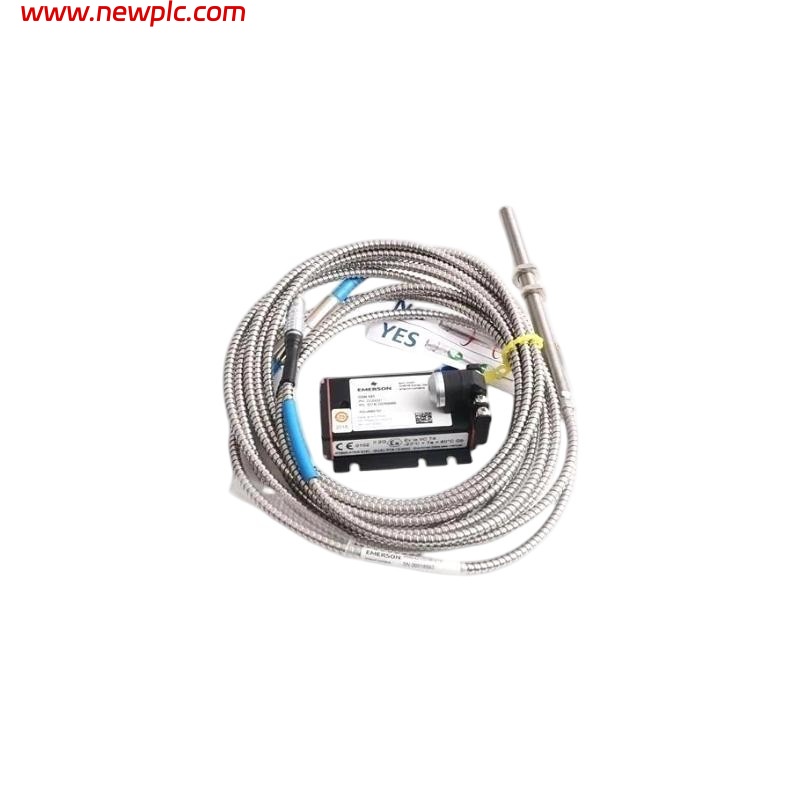
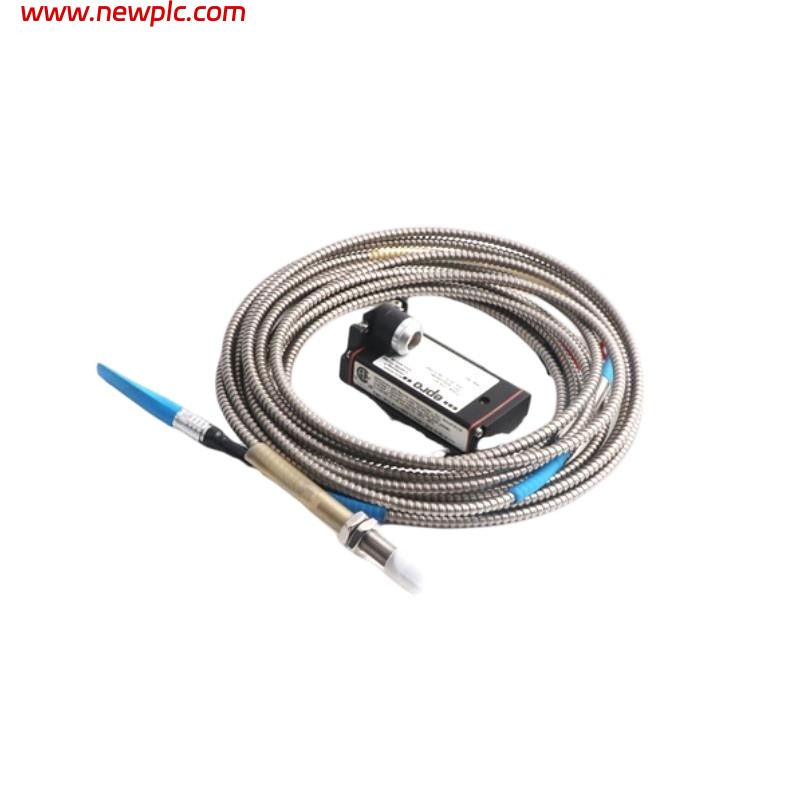
| Product Model | EPRO PR9376/010‑011 |
| Product Type | Hall Effect Speed / Proximity Sensor |
| Manufacturer | EPRO (Emerson) |
| Measurement Principle | Hall effect (non‑contact) |
| Output Signal | 1 AC cycle per revolution/gear tooth |
| Rise/Fall Time | ~1 µs |
| Output Voltage | High >10 V; Low <1 V (with 12 VDC @ 100 kΩ load) |
| Air Gap | 1 mm (Module 1); 1.5 mm (Module ≥2) |
| Maximum Operating Frequency | Up to 12 kHz (~720 000 cpm) |
| Power Supply | 10 – 30 VDC @ max. 25 mA |
| Electrical Resistance | Max. 400 Ω |
| Target Material | Magnetic soft iron or steel (non‑stainless) |
| Operating Temperature | ‑25 °C to +100 °C |
| Storage Temperature | ‑40 °C to +100 °C |
| Protection Rating | IP67 (dust‑tight & water resistant) |
| Housing Material | Stainless steel probe body |
| Cable | Armored / PTFE cable (length per variant) |
| Dimensions | Ø 18 mm (head) × ~80 mm length (approx typical form for PR9376 sensors) |
| Weight (Sensor only) | ~210 g |
| Application | Speed and proximity measurement on rotating machinery (turbines, compressors, pumps, fans) |
FAQ
FAQ
Q1. What does the EPRO PR9376/010‑011 sensor measure?
It measures rotational speed or proximity by detecting passing trigger features on shafts without contact.
Q2. What technology does this sensor use?
It uses Hall effect technology to generate an AC signal each time a gear tooth or target passes the sensor.
Q3. What type of output does it provide?
It outputs one AC cycle per shaft revolution or gear tooth, suitable for speed feedback systems.
Q4. What is the typical operating voltage?
It operates on a DC supply from about 10 V to 30 V.
Q5. What is the maximum frequency it can handle?
It supports up to approximately 12 kHz (around 720 000 counts per minute).
Q6. What environments is this sensor suitable for?
With IP67 protection and wide temperature range, it’s suitable for industrial rotating equipment environments.
Q7. How close must the sensor be to the target?
Optimal air gap is typically around 1 mm for standard modules or about 1.5 mm for other module versions.
Q8. What machinery applications can it be used in?
It is commonly used on turbines, compressors, pumps, fans, and other rotating machinery for speed/proximity monitoring.
Tags
Packing & Delivery
We will use wear-resistant cartons to seal the boxes, and take photos for your confirmation before sealing. We will pack the boxes only after confirmation.
For express delivery, we will use DHL, UPS, TNT, FedEx and EMS.
Please rest assured that we have a deep cooperation with express delivery companies and can ensure that your goods are delivered to you in good condition.

